Who Can File a Wrongful Death Lawsuit in Chicago?
 A wrongful death lawsuit in Illinois can only be filed by the “personal representative” of the victim. This person may have been named in the decedent’s will or appointed by the court. For a death in Chicago, the appointment is made by the Probate Division of the Circuit Court of Cook County, which issues the letters of office confirming that the representative has authority to bring the claim.
The claim is brought for the “exclusive benefit” of the victim’s surviving spouse and “next of kin.” Under Illinois law, next of kin includes “blood relatives” in existence at the time of the victim’s death who would take property if the victim had died without a will.
Why an Autopsy Matters in Medical Malpractice Cases
Who Can Be Sued for Wrongful Death in Chicago?
Any person or company that is legally at fault for causing the death of another can be sued under the Illinois Wrongful Death Act. Fault typically means negligent, reckless or intentional conduct. Common situations are:
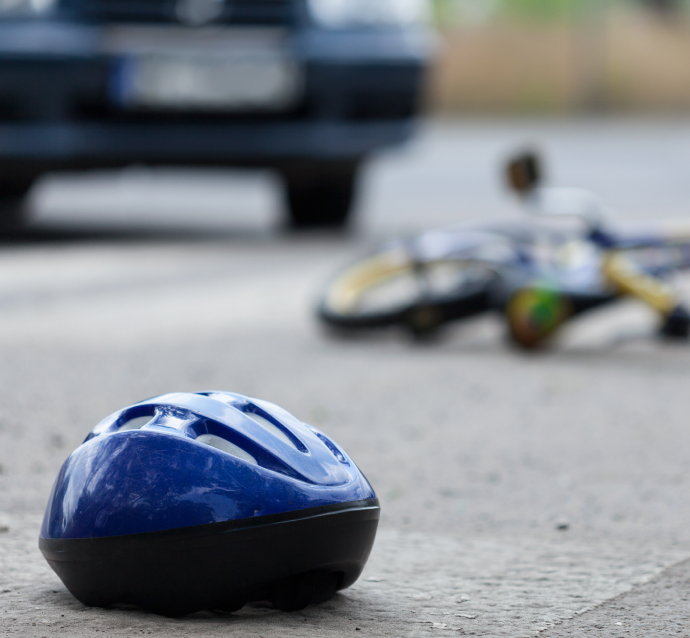
- Motor vehicle accidents – Distracted drivers, aggressive drivers and drunk drivers can kill others in car, truck and motorcycle accidents. Pedestrians and bicyclists may be fatally harmed as well.
- Public transportation and CTA collisions – A fatal collision involving a CTA bus or train, a Metra train, a Pace bus or a school bus may support a claim against the transit agency, the operator, or a contractor responsible for maintenance or track work. Pedestrians, cyclists and passengers in other vehicles are frequently the ones killed. Claims against the Chicago Transit Authority carry a shorter deadline than most Illinois wrongful death claims — a civil action against the CTA must be commenced within one year of the date the claim accrued, not the usual two. Learn more about CTA and Metra claims.
- Medical malpractice – A health care provider whose substandard care leads to a death commits medical malpractice. Fatal medical errors can include a missed or delayed diagnosis, surgical errors, medication mistakes or errors that lead to birth injuries. (An unborn fetus is considered a “person” under Illinois law, and damages may be sought for the death of the fetus.)
- Nursing home abuse and neglect – A facility’s owner, administrators and staff may be liable if a resident dies under their care due to careless or intentional conduct.
- Work-related accidents – The survivors of a killed worker may be able to go beyond workers’ compensation benefits if a non-employer caused a loved one to die on the job.
- Dog bites / animal attacks – A pet owner can be held financially responsible if an animal attacks and kills an adult or a child.
- Defective products – Manufacturers and others in the distribution chain may be sued for allowing consumers to use a faulty product (or failing to provide a proper warning about risks). These cases often arise with medical devices and prescription drugs.
In some cases, a city, county, state or federal agency may be responsible for the death of a loved one. Depending on the agency and facts of the case, the agency may be immune from a civil lawsuit or damages recovered from the agency may be capped. It will be important to work with a law firm that understands how immunity impacts your case.
Does Comparative Fault Factor into a Lawsuit?
Even though your loved one or you may have been partially at fault for causing an accident or injury that led to the death, you are not necessarily barred from a recovery under Illinois law.

If the victim’s fault is more than 50 percent of the cause of his or her death, neither a survival nor a wrongful death case can be pursued. However, if the victim’s fault is not more than 50 percent of the cause, damages can be recovered. However, those damages would be reduced in proportion to the victim’s fault.
Additionally, in a lawsuit, the fault of those survivors seeking to recover damages is taken into account. If a survivor’s fault contributes more than 50 percent to the cause of death, a recovery is barred. If not, the survivor may recover damages. However, those damages would be reduced in proportion to the survivor’s degree of fault.

 $9 million verdict in Lake County for the family of a 12-year-old boy who died on the operating table during surgery (affirmed by the Illinois Appellate Court).
 $8.25 million settlement in Cook County for parents who lost their son only 40 days after his birth in a Chicago hospital due to a pharmacy error.





 A wrongful death lawsuit in Illinois can only be filed by the “personal representative” of the victim. This person may have been named in the decedent’s will or appointed by the court. For a death in Chicago, the appointment is made by the Probate Division of the Circuit Court of Cook County, which issues the letters of office confirming that the representative has authority to bring the claim.
 Motor vehicle accidents – Distracted drivers, aggressive drivers and drunk drivers can kill others in car, truck and motorcycle accidents. Pedestrians and bicyclists may be fatally harmed as well.